- 0243394034
- info@centralcoastseo.com.au
- Google 1st Pages Guaranteed in Writing.


A/B Testing Your Way to Search Marketing Success | A Small Business Guide
A/B Testing Your Way to Search Marketing Success | A Small Business Guide
At Central Coast SEO, I’ve worked with countless small businesses who, despite limited budgets, want to compete effectively in the ever-evolving digital landscape. One of the most powerful and accessible tools I recommend to my clients is A/B testing. Often overlooked by small business owners, A/B testing can transform your search marketing campaigns, helping you make data-driven decisions that improve results and eliminate costly guesswork.
Why A/B Testing Matters for Small Business Search Marketing
In my experience, small businesses often fall into the trap of launching search campaigns based on assumptions rather than evidence. You may have a brilliant headline, a beautifully written ad copy, or a product description you feel confident about—but how do you know if it’s truly resonating with your audience? This is where A/B testing becomes essential.
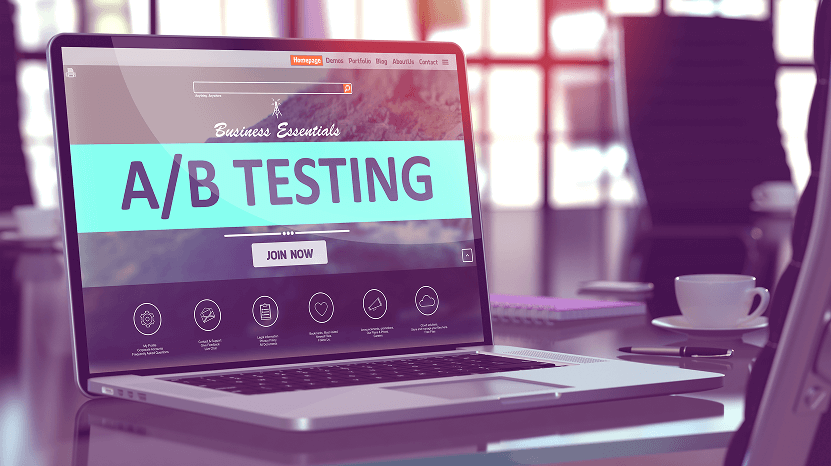
A/B testing, at its core, is the process of comparing two versions of a webpage, ad, or email to see which performs better. It allows you to isolate variables—whether it’s a headline, image, call-to-action, or even a colour scheme—and test them in real-world conditions. The beauty of this approach is that you’re not guessing what will work; you’re letting your audience tell you through their actions. For small business owners, where every pound spent on marketing needs to show a return, this method provides clarity and confidence.
How A/B Testing Can Improve Search Ads Performance
When it comes to search marketing, especially Google Ads, A/B testing is a vital component of long-term success. I often see small businesses launch campaigns and stick with the same copy and targeting for months, even when performance stagnates. With A/B testing, you can continuously refine your ad creatives, adjust your bidding strategies, and optimise your landing pages.
For example, you might test two versions of your ad headline—one focusing on a product’s price point and the other on its unique feature. Over time, data will reveal which headline attracts more qualified clicks, which ultimately leads to more conversions. This iterative process allows you to scale what works and discard what doesn’t, giving you an edge over competitors who aren’t testing.
A/B Testing Your Landing Pages
Search marketing doesn’t stop at the ad itself. Where you send your visitors is just as important. A/B testing landing pages is one of the most effective ways small businesses can improve conversion rates without increasing ad spend. I advise clients to test variations of their landing pages—perhaps by changing a headline, adding trust signals like testimonials, or adjusting the placement of a form.
In many cases, small tweaks can make a significant difference. For example, I’ve seen businesses double their conversion rates simply by moving a call-to-action button higher on the page or by simplifying their form fields. These insights only come through testing. And for small business owners, improving conversions means making the most of every visitor, which is crucial when budgets are tight.
The Importance of a Structured Approach
A/B testing isn’t about making random changes and hoping for the best. At Central Coast SEO, I emphasise the importance of having a clear hypothesis before you start any test. What are you trying to achieve? What problem are you solving? By starting with a focused question, you can design tests that deliver meaningful insights rather than muddy the waters with conflicting data.
Equally important is giving your tests enough time to gather reliable data. Small businesses often want quick results, but cutting a test short can lead to misleading conclusions. I encourage clients to be patient and let tests run until they reach statistical significance so that decisions are based on real trends rather than chance.
Combining A/B Testing with SEO Efforts
While A/B testing is typically associated with paid search and conversion optimisation, it can also support your organic SEO efforts. For instance, testing different meta titles or descriptions can help improve click-through rates from search engine results pages. Similarly, experimenting with the layout of your blog posts or service pages can reduce bounce rates and improve user engagement, both of which are signals search engines take into account.
I always advise small business owners to view A/B testing as part of a holistic search marketing strategy. It’s not a one-off activity but a continuous process of refinement. The insights you gain from these tests can inform your content creation, your ad campaigns, and your overall digital presence.
The Future of A/B Testing in 2025
As we look to the future, A/B testing will become even more critical for small businesses. With Google introducing more AI-driven ad formats and search behaviours evolving, the ability to adapt quickly and intelligently will separate successful businesses from those left behind. Testing will allow you to stay agile, ensuring your messaging aligns with what customers actually want rather than what you think they want.
I’m passionate about helping small businesses implement testing frameworks that deliver lasting value. Whether you’re new to A/B testing or looking to refine your existing efforts, the key is to start small, stay consistent, and always let the data guide your decisions.
If you’re ready to take the guesswork out of your search marketing and want expert guidance on setting up effective A/B tests, visit centralcoastseo.com.au. Let’s work together to build a smarter, more successful digital strategy for your business in 2025 and beyond.