- 0243394034
- info@centralcoastseo.com.au
- Google 1st Pages Guaranteed in Writing.


Why SEO, Content and PR Measurement Only Works When You Think Like a Business Owner
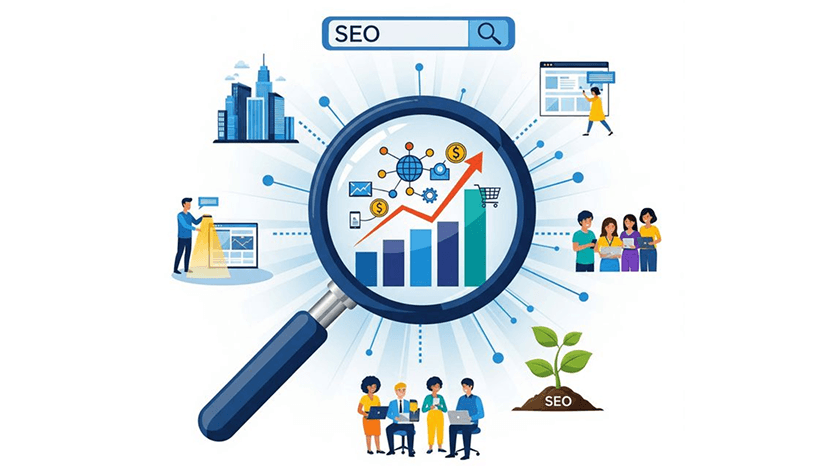
Why SEO, Content and PR Measurement Only Works When You Think Like a Business Owner
Running Central Coast SEO, I often see small business owners struggling with measurement not because they lack data, but because SEO, content and PR are still being measured in isolation. Rankings sit in one report, PR coverage sits in another, and content performance is judged separately again.
The problem with this approach is that it fragments the story. You end up knowing what happened in each channel, but not how they work together to drive actual business outcomes.
From my perspective, this is where most strategies fall short. The real value is not in measuring SEO, content or PR independently. It is in understanding how they influence each other and how they collectively impact growth.
Why SEO, Content and PR Are No Longer Separate Disciplines
In the past, SEO was about rankings, content was about publishing and PR was about media exposure. Today, those boundaries have blurred significantly.
A piece of content can rank in search, be shared in the media, generate backlinks and influence brand searches all at the same time. Likewise, a PR campaign can increase search demand, improve keyword visibility and strengthen authority signals.
From my experience, this overlap is becoming more important, not less. Search engines are increasingly evaluating authority and relevance based on a combination of signals rather than a single metric.
That means your measurement approach needs to reflect how users actually experience your brand across multiple touchpoints.
The Real Question Measurement Should Answer
Instead of asking how SEO performed or how PR performed, I encourage business owners to ask a simpler question. What changed in the business as a result of this activity.
Did more people search for your brand. Did more visitors convert into enquiries. Did your visibility improve in the areas that matter most to your revenue.
When you shift your focus to outcomes rather than channels, the role of SEO, content and PR becomes much clearer. They are not separate functions. They are interconnected drivers of awareness, trust and demand.
How SEO Signals Reflect Broader Market Influence
SEO data is often treated as purely technical, but it actually reflects audience behaviour. When people search for your brand, engage with your content or click through to your site, they are signalling interest and intent.
These signals are influenced by everything from PR coverage to content quality and even word of mouth.
For example, a media mention can lead to increased branded search. A strong article can improve engagement and time on site. A PR campaign can drive backlinks that boost authority and rankings.
From my perspective, SEO is often the measurement layer that reveals whether your broader marketing efforts are actually working.
Using PR as a Driver of Search Behaviour
One of the most overlooked aspects of PR is its impact on search behaviour. A successful PR campaign does not just generate coverage. It often changes how people search for your business.
This might include increased branded searches, new keyword associations or higher engagement with specific service pages.
In many cases, PR acts as a trigger for search activity, which then feeds into SEO performance. This is why measuring PR purely by coverage volume or link count misses the bigger picture.
What matters more is whether PR is influencing demand in a measurable way.
Content as the Bridge Between SEO and PR
Content sits at the centre of this ecosystem. It is often the asset that both search engines and media outlets interact with.
High-quality content can rank in search, attract PR attention and generate ongoing traffic long after it is published. It becomes a long-term asset rather than a one-off activity.
From my experience, the most effective content strategies are those that are designed with both SEO and PR in mind. This means creating content that is not only optimised for search but also interesting enough to be referenced, shared or cited externally.
Measuring What Actually Matters
When I simplify measurement for clients, I focus on a few core indicators that reflect the combined impact of SEO, content and PR.
The first is branded search growth. If more people are searching for your business directly, it is a strong signal that awareness and demand are increasing.
The second is organic conversions. This shows whether increased visibility is translating into real business outcomes.
The third is authority growth, which includes backlinks, mentions and overall visibility across relevant platforms.
The fourth is engagement quality, which reflects how users interact with your content once they arrive.
These metrics together provide a far more accurate picture of performance than any single channel report ever could.
Why Attribution Will Always Be Imperfect
One of the biggest misconceptions in digital marketing is that we should be able to attribute every outcome to a single source. In reality, the customer journey is rarely linear.
A user might discover your brand through PR, search for you later, engage with your content and convert weeks after the initial interaction.
From my perspective, trying to assign full credit to one channel misses the point. What matters is the combined effect of all your efforts over time.
SEO, content and PR should be measured as a system, not as isolated parts.
My Final Perspective
The businesses that grow consistently are not the ones that obsess over individual metrics. They are the ones that understand how different marketing activities influence each other and contribute to overall demand.
When SEO, content and PR are measured together, you start to see the real story. Not just what happened in each channel, but how your entire digital presence is shaping market perception and driving growth.
For small business owners, this shift in thinking is critical. It moves measurement away from reporting and towards strategy.
If you want help building a measurement framework that connects SEO, content and PR into real business outcomes, contact Central Coast SEO today and let’s make your marketing work harder together.